Natural Remedies for Anxiety
My intention is to keep this blog light as a cooling summer breeze, which is exactly what the doctor ordered during this hot and dry Arizona summer season.
When addressing anxiety, you want to have an idea of what is going on with you. Do you have issues with your heart, such as palpitations that make you feel anxious, or do you have thyroid issues and are either not taking any medication or taking too much medication or possibly even taking the wrong kind of medication, or did you just drink a strong cup of coffee on an empty stomach?
There are a lot of reasons why you might be feeling anxious, and it is important to make sure that those reasons aren’t affecting your mortality by seeing a provider before you start exploring natural solutions.
Ideally, taking a drug for anxiety is a temporary solution, but there could be reasons why that would be your choice; maybe you have already received counseling and have been trying to uncover the possible mental-emotional reasons for your anxiety without success.
If counseling has not been helpful, then working with a somatic therapist or any similar modality expert to uncover past trauma might be a better solution. CranioSacral Therapy, which I offer, is a great tool when it comes to gentle physical therapies known to decrease/resolve anxiety. Please, go to our Verde Valley Naturopathic Medicine website to read about this wonderful modality.
Both professionally and personally I love herbal remedies for calming the mind and the nervous system, as well as homeopathic remedies. I use those more often than neurotransmitter focused supplements. Nature is incredibly intelligent and offers us an unbelievably beautiful plethora of herbs to choose from that can cover all kinds of human ills, including the mental-emotional realm.
A personal favorite for that low grade anxiety is Skullcap, Skutellaria lateriflora. I prefer drops because you can dose very low and then increase according to efficacy and tolerance. For people sensitive to alcohol, including children and people with a history or alcohol dependence, the tincture (~ liquid) is better as a glycerite instead of the common alcohol.
Starting with a few drops, especially if you know yourself to be sensitive, is the gentlest way. It might surprise you how little you need to begin feeling calmer. Oftentimes, less is more when it comes to herbs; of course, this is already strongly demonstrated in homeopathic medicine where effective remedies are diluted often thousands or even millions of times. I know it is difficult to wrap our left-brain logic around that. Experience speaks for itself, however.
Skutellaria is also helpful for painful musculoskeletal issues. I just really appreciate this herb.
Another great herb for anxiety is Kava kava, Piper methysticum. An older and often referenced research article states that Kava kava can be harmful for the liver. It is important to know that this research study was extremely poorly designed and was later exposed by the natural and integrative medicine community. Still to this day we all as providers suggest our patients not to overdo this herb and to test liver enzymes regularly to error on the side of caution.
There are basically two camps of belief systems with Kava kava, similar to when it comes to organic non-GMO soy; you have the right to pick the side you feel most comfortable with. Keeping in mind that some South Pacific societies drink Kava “all day long” and has for generations, could be a helpful point of reference. The same goes for Japan’s super high consumption of soy with their super low breast cancer numbers…until fast-food chains and other toxic conveniences were brought to the continent. After that happened, Japan’s cancer numbers have been creeping up, but are still much lower than in the U.S.
Kava kava has this heart opening quality to it that I appreciate. And just as with Skullcap, both herbs have a myriad of so-called naturally occurring biochemical constituents that make them helpful for more than just one or two things. The same goes for the next few herbs that I’m going to mention.
Hawthorn, Crataegus species, is often used for supporting the heart and normalizing blood pressure but it is also soothing for the emotional heart. It is known for calming the mind and protecting the heart, and therefore it can be helpful in cases where someone might be extra sensitive and very empathic. Just as the plant exhibits protective thorns, Hawthorn is seen as protective of an emotionally sensitive heart. I especially love the slightly sweet tasting solid extract of this herb, which is a thick paste, and which can be taken with a tiny spoon.
California Poppy, Eschscholzia californica is another known anxiolytic ~ anxiety reducing herb. I like to bring California Poppy into the picture when there is strong pain present as well, and where all the pharmaceutical options have been exhausted or there are too many interacting pain meds involved. I have seen this herb do wonders for people with extreme pain in advanced-stage cancer as well as in my own life after accidents and injuries.
And no, the California Poppy plant is not the same plant as the poppy that opium is extracted from. The opium plant is called Papaver somniferum. It has been postulated that the California Poppy contains tiny amounts of morphine, but this has not been conclusively verified.
Just like Skutellaria, I like to recommend California poppy as a great sleep aid. I again suggest starting with a few drops and seeing how you feel. We are all different, so respect and honor your individuality.
Herbal teas are amazing too and can be very effective. This does not mean that you should overdo it; please, follow directions as best you can if you should begin experimenting on your own.
When it comes to herbal teas for anxiety and sleep, the very underrated and common Chamomile, Matricara chamomilla, is such a great herb. Drinking it around 20-30 minutes before bed can be super helpful for a restful night. If you have issues with urination during the night, you might want to make it a smaller more concentrated cup.
Finally, I would like to remind you that simple practices are often the most effective and most of them are free. Drinking enough water, especially during a hot dry summer, is very important; you can certainly increase anxiety if you are dehydrated.
You are probably familiar with the calming effect of grounding - or earthing which is a newer term gaining in popularity in the Western world – which greatly assists you in balancing your nervous system and making you feel safer in your body. Connecting with the earth facilitates the opening of the meridians and the energy channels in your body as demonstrated in Chinese Medicine.
Practices such as Meditation, Qi Gong, Tai Chi, Yoga (especially yin, gentle and restorative types of Yoga), or simply hiking, walking in the forest, along the river or by the beach, taking a bath, spending time with animals etc. are all great ways to reduce anxiety.
As you slow down, deepen your breath and become more present, you will be able to better feel and appreciate your precious body and your place in the world, reminding you of who you are and why you are here.
This was just a brief introduction to a vast and important subject.
I invite you to make an appointment. I would be happy to assist you on your path from anxiety to calm!
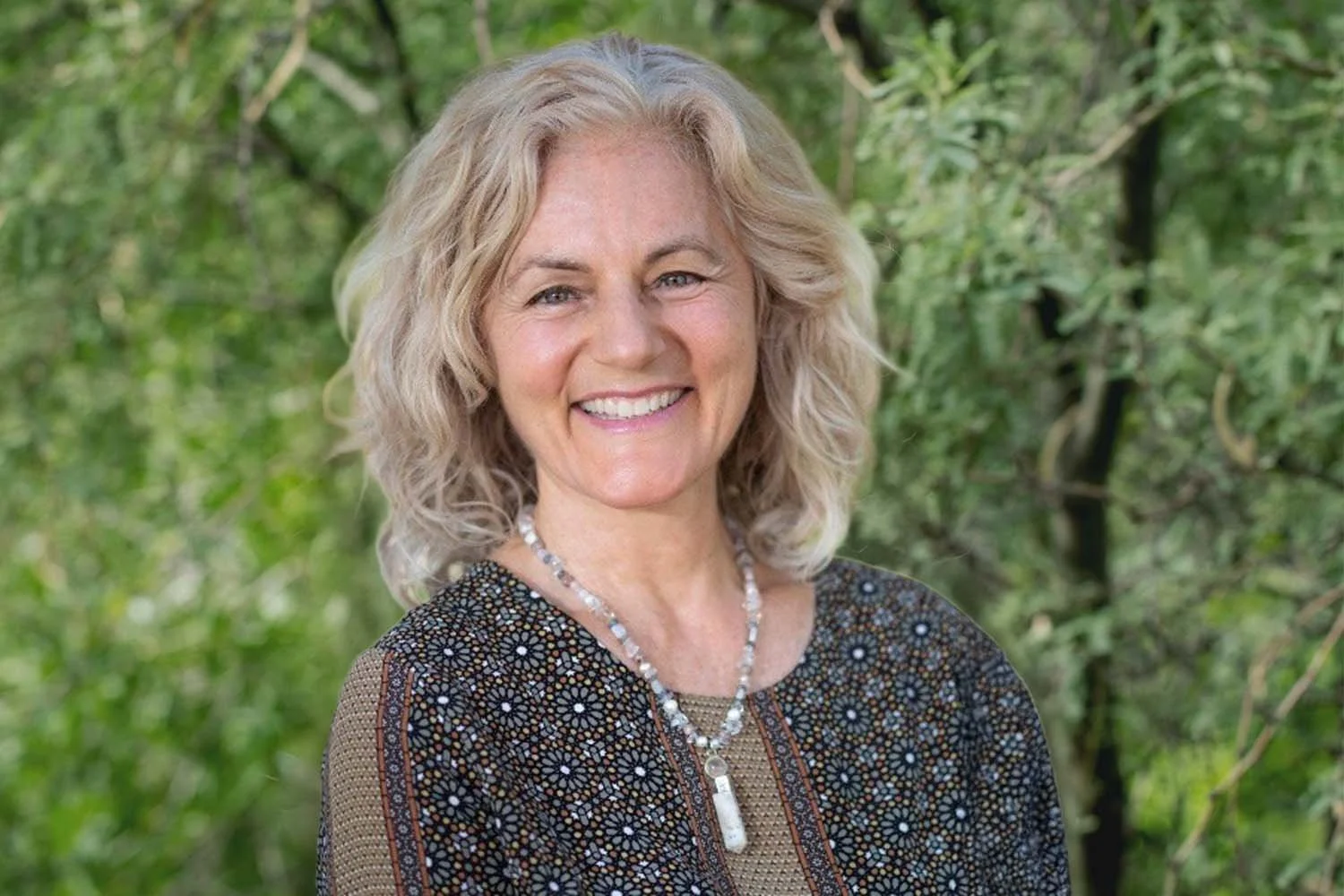
Dr. Susanne Macsay | Naturopath