Homeopathic Medicine – Less is More
Did you know that Homeopathy was super popular in the late 1800s and early 1900s? It almost seems unbelievable, but in the United States alone there were more than 100 homeopathic hospitals, more than 1,000 homeopathic pharmacies, and 22 homeopathic medical schools.
In the early 20th century, homeopathy began to decline in popularity as pharmaceutical medicine entered the arena. Then in the 1970s homeopathy slowly but surely began gaining in popularity again, though so far not to the extent that it did in the century prior.
Homeopathic Medicine is often mistaken for being the same as herbal medicine, but it is not the same thing. Homeopathy is founded on the principal of “like cures like”. This means that a substance that would normally cause a specific disease will instead cure it once it has been highly diluted.
A natural substance such as a flower, a root, or even venom from a bee, is diluted hundreds or even millions of times and then made into a medicine. We call this a Homeopathic remedy, and its potency is referring to how many times it has been diluted.
Even though it is natural, this is not a medicine that is made in someone’s kitchen, but rather in a very controlled environment in a highly sophisticated high-tech laboratory.
Considering the gentle nature of a Homeopathic remedy, it might be surprising to know that it works by altering our genetic expression. It seems to gently nudge our genes and thereby facilitate a return to a more harmonious state.
Naturopathic physicians are trained in Homeopathic medicine. Some Naturopaths even focus solely on Homeopathy, besides nutrition and lifestyle, and still have great success in relieving symptoms and assisting people in healing from diseases such as cancer, Lyme disease, mental-emotional disorders and more.
Once you have experienced a toddler, a pet or someone in a life-threatening situation respond favorably to Homeopathy medicine, you do not need anyone to convince you of its efficacy. The notion that it works “only if you believe in it” – implying that the efficacy is a result of suggestion or even placebo - simply does not apply to those scenarios. However, as with any health issue, an open and positive mind can certainly do wonders.
Samuel Hahneman (1755-1843) was the father of Homeopathy. He was a German medical doctor who was known for being somewhat of a language wizard, supporting himself as a translator while going through medical school, from which he graduated in 1779.
Dr. Hahneman was not in favor of some of the pretty austere medical practices at the time, such as bloodletting, and he was looking to find more effective and less invasive therapies. The introduction of vaccinations in 1798 inspired him to develop a system that involved tiny doses which would work with the body as opposed to against the body.
During the early 1800s, Homeopathy became very popular in Europe, and the first Homeopathic hospital opened in Germany in 1832. However, the German medical establishment at the time were very hostile toward Dr. Hahneman and his Homeopathy, so he ended up moving to Paris where he successfully practiced and authored volumes of textbooks until his death in 1843.
One example of “like cures like” is the medicine Ipecac, which is used in conventional medicine to induce vomiting, but as a Homeopathic remedy it is used to treat nausea and vomiting. The plant Psychotria Ipecacuahna, also known as Cephalia Ipecacuanha is the source of both medicines, the conventional as well as the Homeopathic, however, the way they are each handled and produced cause them to induce completely opposite effects in the body.
Another example is coffee; drinking coffee before bedtime would keep most people awake, but coffee prepared as a Homeopathic remedy can be used as a sleeping aid.
A Homeopathic remedy can be in the form of little pellets, tablets or drops, or as a gel for topical applications. A oral remedy is ideally taken 20-30 minutes away from foods or flavored drinks and can be used in both acute and chronic cases, and for physical as well as mental-emotional diseases. It is in general recommended to avoid peppermint, caffeine and alcohol when undergoing Homeopathic treatment, though this differs from case to case and from one practitioner to the other.
In acute cases of trauma and pain the popular remedy, Arnica Montana can be administered as needed several times a day and often works within minutes. If the Homeopathic remedy Rhus Toxicodendron is taken for arthritis it could be administered once a week, once, twice or three times a day or in several other ways. The way a remedy for a chronic condition is prescribed depends on several factors, such as the sensitivity of the patient, the potency of the remedy (how many times it has been diluted), the particular school of Homeopathy and more.
The addition of Homeopathy to an integrative treatment plan has great value, especially in cases when adding in additional conventional medicines would be contraindicated due to toxicity or interactions, or when very sensitive patients, including babies, young children and the frail and elderly, simply cannot tolerate conventional drugs.
If you are interested in exploring Homeopathic Medicine, simply reach out to us and we will be happy to help you!
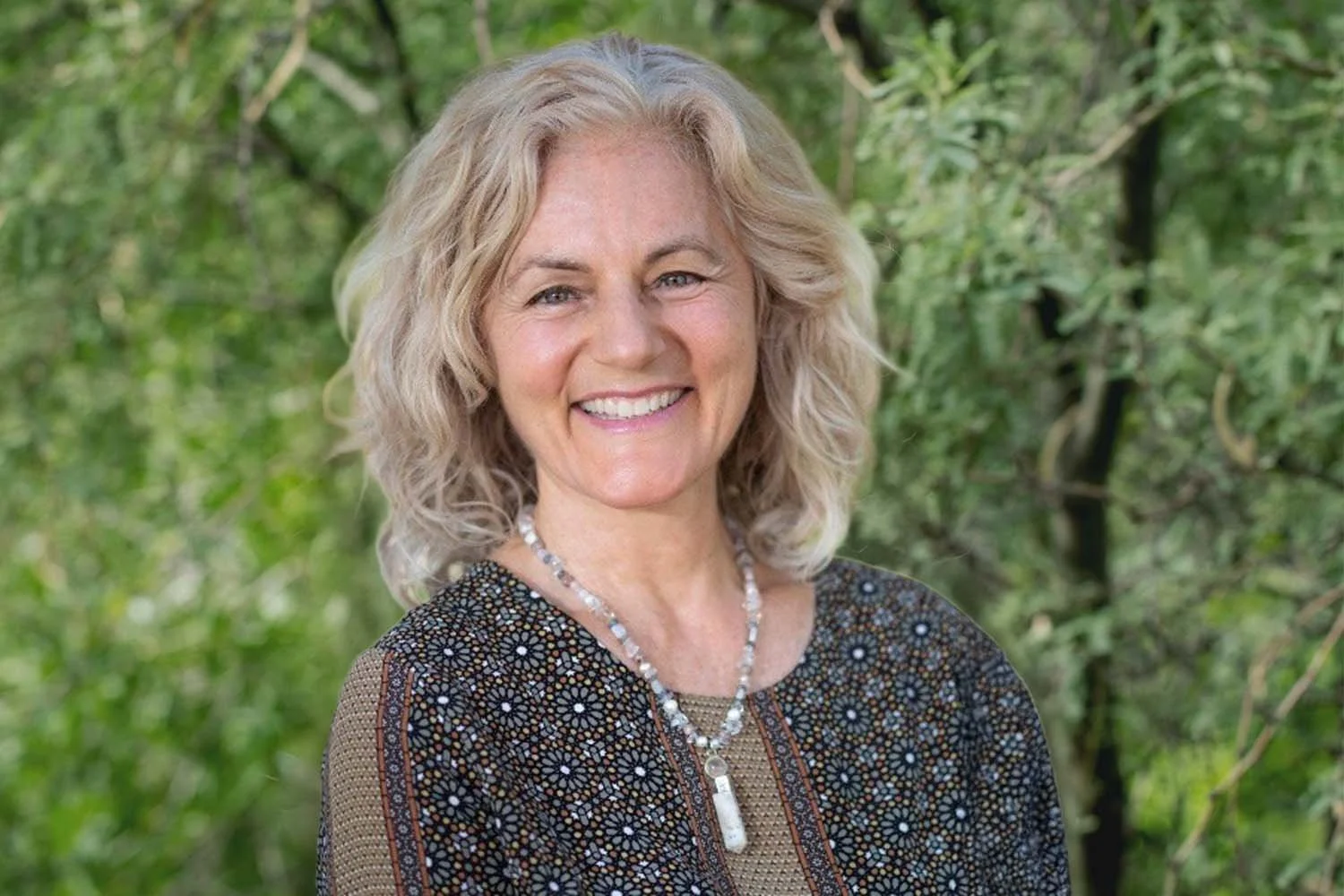
Dr. Susanne Macsay | Naturopath