Holistic Approach to Arthritis
No one knows you better than you know yourself. Yes, we sometimes say to loved ones that they know us better than we know ourselves, but living inside of your body gives you a wealth of information on so many levels.
Some are lucky enough to grow up in surroundings where mindfulness and self-care is a natural way of being, but compared to the world at large, this is not so common. On the contrary, we have a health care system that teaches us that health care mainly comes from outside of ourselves.
It would be quite revolutionary if the majority of people would begin to understand that self-care is the foundation for health and possibly the most important part of health care. And though this article does not encourage a revolution, you can still take the torch in your own two hands and make some very important changes.
Taking little steps to prioritize self-care and then reaching for help outside of yourself is a great beginning. And adding more alternative ways of healing to a regimen of conventional health care might just be the missing link you have been looking for.
Let us bring this concept into the discussion on how to approach arthritis holistically.
Why Arthritis? Because arthritis is one of the most common diseases in the country and in the world.
With over 50 million people in United States suffering from arthritis (osteo- and rheumatoid arthritis) and 350-500 (depending on source) million people suffering worldwide, it is a disease worthy of attention.
For simplification, all types of arthritis have been lumped into one in this blog, signifying “painful joints”.
Arthritis is not just a condition among the inactive or the elderly or part of the picture of a rheumatologic disease; you can also face severe arthritis as a young athlete due to repetitive stress injuries, or you can wake up after a serious accident which “aged you overnight” and be thrown into a whirlwind of issues from one moment to the next realizing that you will eventually have to deal with arthritis.
Approaching a disease holistically, according to the basics of naturopathic and holistic medicine, we are going to examine arthritis in relationship to the whole person being a sum of body, emotion, mind and soul. And yes, the soul is a major aspect of the original naturopathic philosophy and treatment approach.
The examples below are by no means an exhaustive list, but merely an attempt to shed light on the subject “a holistic approach”.
BODY
As expected, everything pertaining to diet and exercise belongs in this category. It is well known that following an anti-inflammatory diet is key, as is it to exercise. However, even though there are general guidelines for what an anti-inflammatory diet is, there is no cookie cutter method.
Dairy is an inflammatory food for a lot of people, but not for everybody. The same goes for gluten. Sugar – particularly white sugar - is an example of a substance that is inflammatory for everybody; but then again, for some more than others.
Nightshades – tomatoes, potatoes, eggplants, peppers and more – were at one point deemed a “no-no” for people with arthritis, but we know now that this is far from true for everyone.
Though it is important to exercise, it is crucial to exercise in a way that protects your joints and not engage in activities that don’t. Running is known to be very hard on the joints, whereas swimming is in general gentle on the joints, depending on how you swing your knees in for example breaststroke, or how you throw your arms in butterfly.
It might surprise you that Tai Chi is the absolute winner when it comes to being the best form of exercise for arthritis. Not only is it very gentle, but it is also great at building the muscles that stabilize the joints. Tai Chi has been shown to lower pain levels and prevent falls, as well as induce an optimistic mood and support great sleep. There are a lot of research studies on this which have been published in highly revered scientific journals, and the CDC (Center for Disease Control) have recognized Tai Chi for being “the best” for arthritis as well.
Interestingly, Yoga that brings so many health benefits to the table, is not as convincing as Tai Chi (and Qi Gong) when it comes to arthritis. As a matter of fact, many people tend to injure themselves during Yoga class. This is of course not “Yoga’s fault”, but the responsibility of the teacher and the student. The gentler the Yoga, Yin and Restorative are a couple of examples, the less prone to lead to injury.
Supplements like fish oil and other sources of omega-3 oils, as well as turmeric, collagen, bromelain, glucosamine-chondroitin, Boswellia, and more can be very helpful. However, as the word says, these are “supplements”, not substitutions for a healthy diet and a healthy lifestyle.
Homeopathic Arnica, both as a gel or cream topically, and Arnica as oral pellets can be extremely helpful. Arnica can lower the pain significantly and almost shockingly fast when taken/applied the correct way.
Bodywork such as gentle massage, CranioSacral Therapy, Reiki, Acupuncture and more along those lines are very helpful. Hydrotherapy, especially in the form of being in the ocean or in medicinal thermal hot springs, is extremely helpful. If you only have a hot tub, this can be helpful as well, including applying massage to the affected area via the jets, but excessive time spent in the chlorinated water could be drying to the tissues and lead to more pain.
Another great modality is regenerative injection therapies. These kinds of injections not only alleviate arthritic pain but also assist the body in rebuilding the tissues around a joint for stabilization and prevention of further joint damage, including the spine and the neck. There are different forms of these injections such as prolotherapy with supportive natural substances, PRP (platelet rich plasma spun down from whole blood), ozone or stem cells. It is a growing field and can be a great alternative to surgery.
A good night’s sleep is super important for everybody, and particularly important when you are healing from an ailment whether acute or chronic. Arthritis is no exception. This also means that getting off your screens a minimum of an hour before bedtime, ideally 2-3 hours before says research, is part of a good night’s sleep routine. And black-out curtains are the absolute best way to ensure deep and uninterrupted sleep.
Last, but certainly not least, it is important to mention that ergonomically correct chairs, desks, car seats and more along those lines support healthy movement patterns, as do good quality walking shoes. The latter is extremely important for posture and can help reduce neck, spine, hip, knee and ankle pain. It is all connected, literally.
EMOTION
An aspect of medicine that has a lot to offer when it comes to the connection between emotion and disease is Chinese Medicine and the Five Element Theory. As a matter of fact, Chinese Medicine believes that disease is primarily caused by an imbalance in the emotions. Paraphrasing: “The body cries the tears that we don’t”.
Though the details go beyond this blog, it is important to mention that in Chinese Medicine arthritis is considered to be a so-called Bi Syndrome; “Bi” signifies a blockage or obstruction of Qi/energy and Blood in the meridians. A Bi Syndrome can be “cold”, “damp”, “wind” or “heat” and each of these will have a specific pattern of signs and symptoms. Within this concept both Kidney, Liver and Spleen are involved in the different types of arthritis. Kidney is associated with the emotion of “fear”, Liver with the emotion of “frustration and anger” and Spleen with the concept of “worry”.
As an example, we will look at the Liver’s emotional relationship to arthritis.
According to the Five Element Theory, the Liver “nourishes the sinews” meaning tendons and ligaments which are the tissues that hold the joint together, and the cartilage inside the joints are considered to be part of this as well.
The Liver in Chinese Medicine, is not the same as the actual physical liver but rather represents the “energy of the liver organ”. This concept explains that the Liver “ensures the smooth flow of qi/energy throughout the body and stores the blood”. The Liver has several more functions and is related to the season of spring, the element of wood, and so much more.
Liver according to Chinese Medicine and the Five Elements Theory is as mentioned above related to the emotions of frustration and anger and “controls the tears”. In other words, if we are having issues with our “Liver” we tend to feel irritable or angry (whether we express it or not) and we tend to need to cry (whether we allow ourselves to do so or not).
When approaching this therapeutically, we would direct the prescribed qi gong exercises, or the herbs or the acupuncture toward balancing the organ – the Liver - associated with the emotion of anger which would then balance the emotion, so that extreme fluctuations would be prevented. In this example, the Liver is out of balance and causes emotional imbalance. But sometimes the emotional imbalance can produce an organ imbalance. An example would be someone who engages in heated discussions on a regular basis or watches the news or violent movies excessively; this kind of anger-provoking behavior could be stressful to the Liver organ energetically and therefore bring it out of balance.
This means, if we generally tend to be angry or frustrated or carry resentment it could impact our Liver, and this could lead to an impact on our tendons and ligaments and therefore our joints. A negative impact on those structures could lead to illness in them and could therefore lead to arthritis.
However, repressed emotions are also considered to place a lot of pressure on the body in Chinese Medicine. In other words, it is all about balance. Let there be a healthy and natural flow and expression of emotions, avoiding excess and extremes, and you will feel more at peace which is going to create a better balance in the physical body. This is also why somatic therapy can be very effective, which very simply put is therapy that works on or incorporates the body (some = body) and allows for a release of tissue-stored emotions. Chinese Medicine incorporates massage as well, which is called Tui Na.
Of course, if you have worked hard physically your whole life, this could have been very hard on your joints, so naturally, the emotions are not the only thing that is important. Then again, even if you have been eating really healthy foods, and exercising regularly and with moderate intensity, you might have been arguing with your spouse throughout the past 30 years, which could be an important contributing factor to why you now suffer from arthritis.
Bringing it all into the context of helping someone with arthritis, it would be very important to examine the emotional history, as well as balancing the different aspects of what the Liver, the Kidney and the Spleen represent in Chinese Medicine.
MIND
A great tool to use, when assessing someone’s health issue and its relationship to the mind and the thinking pattern, is Louise Hay’s bestseller “You can Heal your Life”. The late and very loved and treasured Louise Hay, who’s long list of self-help books and teaching has been circling the globe at least since the early 1990’s, was a pioneer. Louise’s methods focus on forgiving, accepting and loving oneself as a first step to healing the mind, and consequently healing the body. Her own life trials and tribulations and how she overcame them has been a great inspiration to many and still is after her passing in 2017 at almost 91 years old.
In the “You can Heal your Life” book there is a large list of bodily issues and how to create health via positive mantras. The list has 3 columns, the first column being the “Problem”, the second being the “Probable Cause” and the third being the “New Thought Pattern”. [Notice that she is saying “probable”, meaning that she is not stating that this is definitively how it is. She is simply suggesting.]
If we look up Arthritis, it says the probable cause could be “Feeling unloved. Criticism, resentment.” The “resentment” part is quite interesting, if we connect it with what was said above about Chinese Medicine. Chinese Medicine considers “excess” anger, frustration and resentment to be harmful to the “liver”, which then affects the tendons and ligaments negatively which can lead to painful and arthritic joints.
The list then suggests a new thought pattern: “I am love. I now choose to love and approve of myself. I see others with love.” It is suggested to repeat this positive affirmation multiple times a day, including writing little notes and placing them on the fridge, on the bathroom mirror, by the bed, keeping a note in the pocket etc.
The book also suggests looking up “joints”, and there are even examples of the specific joints such as the shoulders, the knees, the low back etc. And it is specifying the difference between the left side of the body, considered to represent the feminine aspect, and the right side of the body, representing the masculine concept.
For “joints” Louise suggests: “Represent changes in direction in life and the ease of these movements.” The new thought pattern suggested: “I easily flow with change. My life is Divinely guided, and I am always going in the best direction.”
Going to a specific joint such as the knees, the probable causes of an issues with the knees is suggested to be: “Stubborn ego and pride. Inability to bend. Fear. Inflexibility. Won’t give in.” And the new thought pattern: “Forgiveness. Understanding. Compassion. I bend and flow with ease, and all is well.”
In lieu of the concept of the brain’s neuroplasticity and the newer research and science on neural pathways and reprogramming of the brain, it does make a lot of sense that repeating positive affirmations would create a lasting positive change. Cognitive behavioral science confirms the same.
We are all aware that stress challenges our system and arthritis is no different than any other health issue in that regard. So besides repeating your positive affirmations, here are a few more suggestions for you: The next time to reach for your cell phone during lunch, or you find yourself turning on the news while you are having dinner, you might consider giving yourself a break from the screens in order to relax your mind and therefore your body.
SOUL
The soul aspect of this conversation is not just for the spiritually minded. The soul in this context refers to the part of us that is not pertaining to the body or the brain.
Our Qi/energy, or Vital Force, as we call it in naturopathic medicine, is inside us and even around us as it has been shown in Kirlian photography. The famous Semyon Kirlian was a Russian inventor who invented the technique already in the 1930’s, so it is by no means a “New Age” phenomenon. Kirlian was the first to discover that a high-voltage electrical field would be able to capture the energetic aura/emission from not only humans, but any living organism.
Jumping forward to present times, we will find that much advanced research has been done in the name of energy. One of such researchers is Dr. Gary Schwartz, PhD, who for many years has been a Professor Emeritus at the Tucson medical school at the University of Arizona in both Psychology, Medicine, Neurology, Psychiatry and Surgery.
Dr. Schwartz is a Harvard trained professor with an impressive biography, and he is extremely well published, including both scientific papers, academic textbooks and popular books in the field of energy research. His research centers on exploring consciousness, spiritual psychology and health through innovative, evidence-based approaches.
Dr. Schwartz’ book “The Energy Healing Experiments: Science Reveals Our Natural Power to Heal” from 2008 is a great example of how important it is to incorporate the concept of energy when it comes to physical healing.
This is what the Amazon text below the book title says: “A healer removes the pain of a broken wrist in fifteen minutes. Another removes an ovarian tumor in a couple of weeks. Still another, from thousands of miles away, regenerates the nerves of an injured spine for a patient on whom the doctors had given up. These sound like tabloid stories but could they be true? They are just three out of millions of instances in which healers have claimed to manipulate energy fields to cure the body.”
If this sounds too fantastic to be true, then just remember that Dr. Gary E. Schwartz has based his book (and his other books) entirely on strict scientific experiments and evidence. And there are so many more examples of amazing healing occurrences where there is no purely linear left-brain based explanation to be found.
Anita Moorjani has written 5 books of which her most famous one is “Dying to be Me”. Anita was in a coma for 30 hours at death’s door with her body full of cancer, but instead of dying, she recovered so incredibly fast that the doctors were in shock and in disbelief, except she was/is living proof.
Anita had a near death experience, NDE, and while in that state she had such a profound healing experience that after returning to the living, she made it her life’s mission to share her pre- and post-NDE. This is an astounding true story, and only one of so many similar ones.
So why not consider adding some energy healing such as Reiki, or simply the laying on of hands, to a whole person approach with an issue such as arthritis? There is nothing to lose and the possibility of so much to gain.
If you have read my last blog about Qi Gong, you will also understand that even that is energy healing in the form of gentle movement. Acupuncture with its energy Meridians, which are very similar to the Nadis in Yoga, and Homeopathic remedies which are extremely highly diluted natural substances in either small pellet or drop form, are all examples of energy medicine as well.
CONNECTING THE DOTS
I am hoping that you enjoyed this blog and that it was able to shed light on some ways that we can approach arthritis holistically.
One thing is to be looking for the root cause of why we might be suffering from a disease like arthritis, as we always do in Naturopathic and Holistic Medicine. Another thing is to consider the whole person as one unit while allowing all the different aspects of the self, both body, emotion, mind and soul to come to the table. Give it a try, you might be happily surprised by the difference it could make.
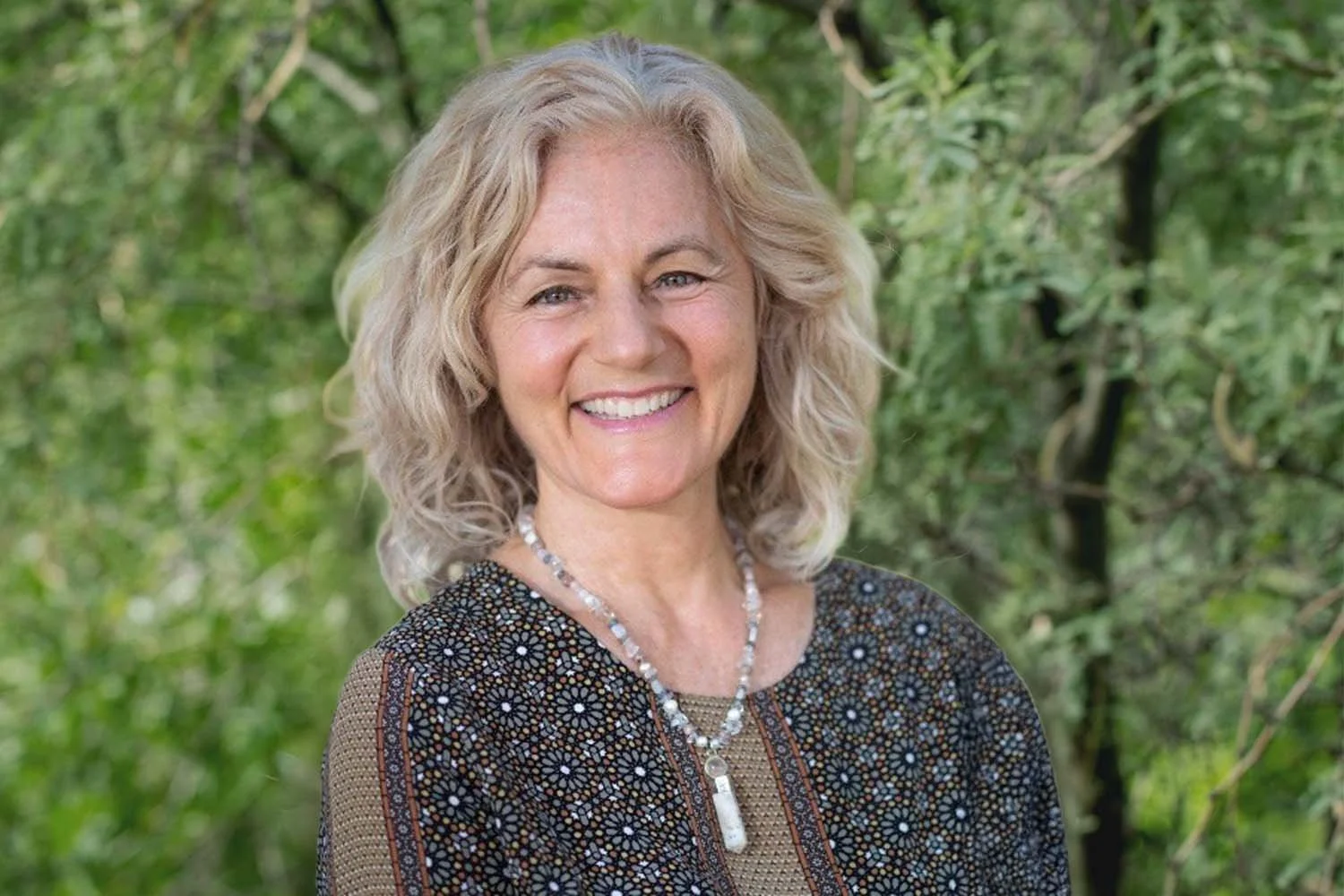
Dr. Susanne Macsay | Naturopath